
Universities in the United Kingdom, Finland and Morocco are adding laboratory-scale electrostatic separators to research new ways of recovering valuable materials from electronic waste and batteries. Bunting Magnetics completed three of the units in May 2025 for work on difficult, fine-particle recycling streams.
The equipment separates materials according to electrical conductivity. Conductive particles such as copper and aluminium follow a different path from insulating plastics, allowing researchers to extract metals after components have been crushed and individual materials have been liberated.
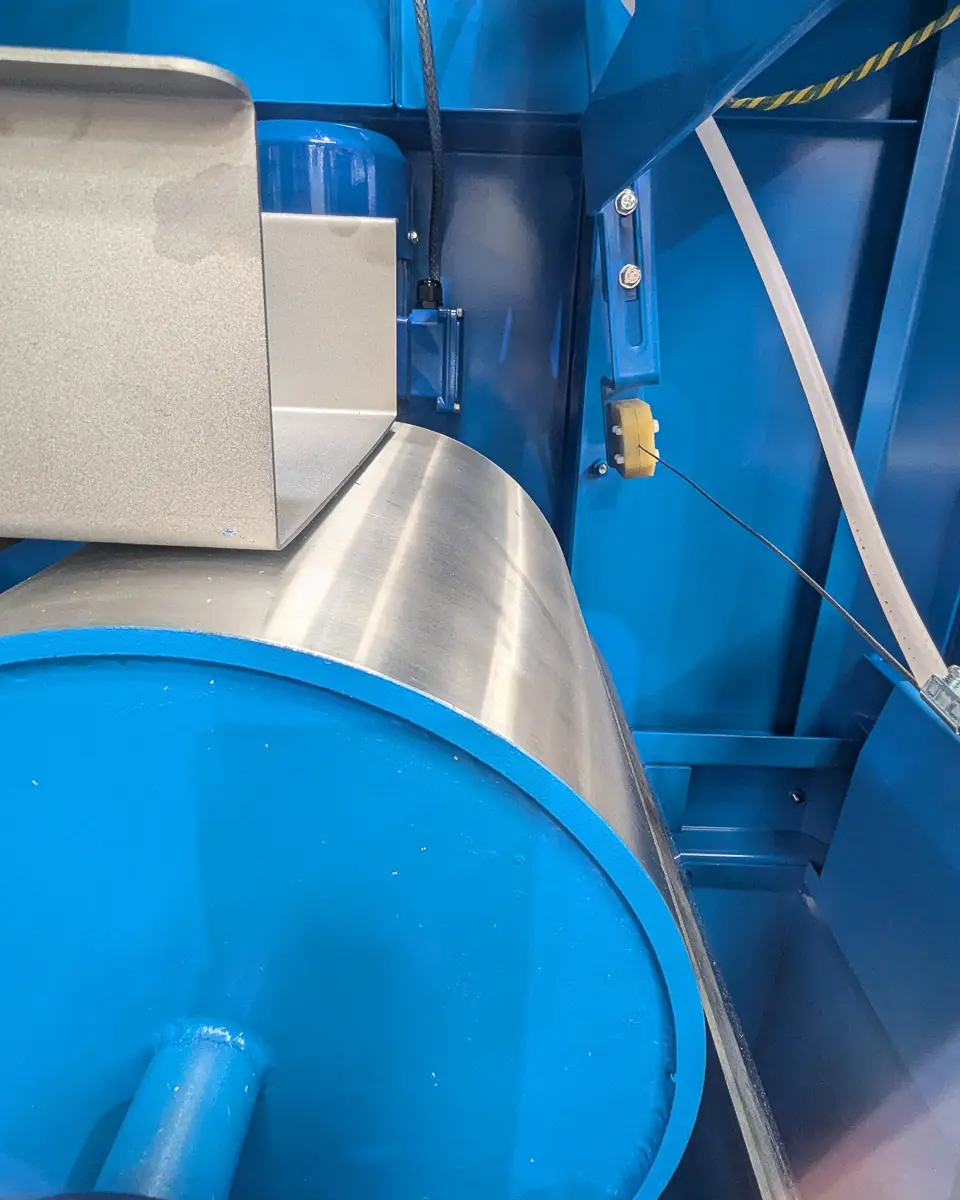
In a full recycling line, electrostatic separation normally follows magnets and eddy-current systems that remove larger ferrous and non-ferrous pieces. Its value lies in the remaining granulated fraction, where tight particle sizing and good liberation can reveal recoverable metals that bulk sorting would miss.
Laboratory machines let researchers reproduce this final-stage process under controlled conditions and test new feedstocks without a production-scale installation. Training for university technicians is included, helping academic teams connect experimental results with practical plant design for e-waste, electric-vehicle batteries and other complex materials.