
Qatar is broadening its circular-economy programme through new recycling investments, waste infrastructure, digital management systems and partnerships between government, industry and research organisations. The direction was set out at the 6th Recycling Towards Sustainability Conference and Exhibition, held in Doha on 6–7 October 2026.
Figures presented at the event indicate that 45% of household waste was diverted from landfill in 2025. During the same year, the national waste treatment centre generated more than 276,000 MWh of electricity. Qatar also processed over 10,000 tonnes of end-of-life tyres, produced more than 34,000 tonnes of compost, recovered above 37,000 tonnes of recyclable materials and supplied about 3.9 million tonnes of recycled construction material.
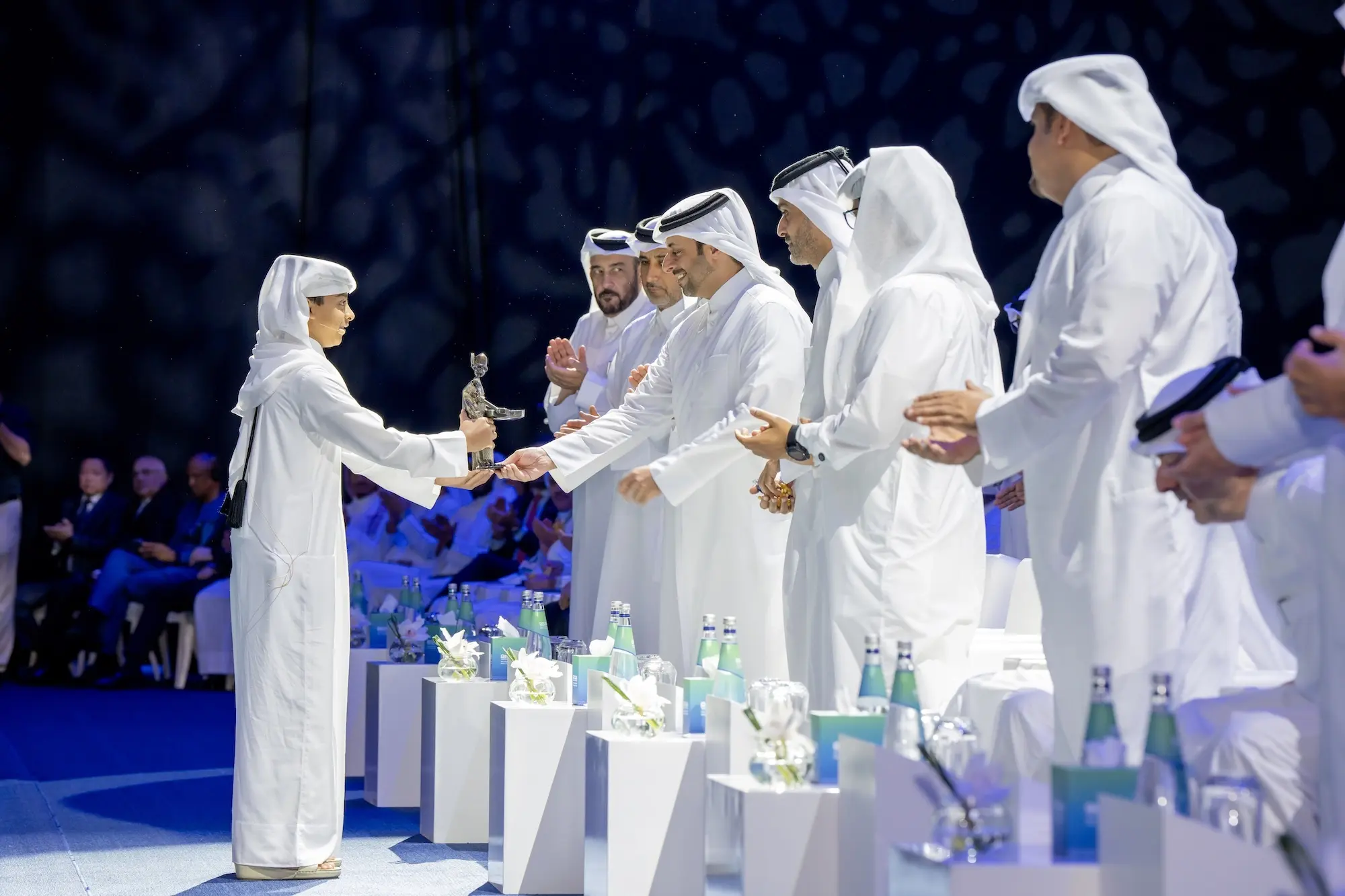
Private-sector expansion is a central part of the strategy. Sixty-one recycling factories have been allocated sites in the Al Afja area: 29 are operating, 19 are under construction and 13 are at other stages of development. Nine investors were selected through opportunities launched in 2025, and lease agreements for four new recycling projects were signed during the conference.
Infrastructure under the Zero Waste initiative includes a new engineered landfill in Mesaieed, rehabilitation of older disposal sites, a central materials-sorting and recovery facility, and plans for an advanced municipal waste-to-energy plant. Together, these projects are intended to reduce final disposal while extracting more material and energy value from the waste stream.
The Ministry of Municipality is also developing a smart national waste-management system based on integrated databases and digital monitoring. Better data should support service control, investment planning and measurement of recovery performance. Research agreements with the Gulf Organisation for Research and Development and the University of Doha for Science and Technology add innovation and capacity building to the infrastructure programme.
The overall shift is from managing waste as a disposal problem to treating it as an industrial resource. Qatar’s programme links recycling markets, private investment, energy recovery, research and digital tools with the wider goals of Qatar National Vision 2030 and the Third National Development Strategy.
Source: Waste Management World