
Eco Wave Power is discussing two AI-focused research tracks with Florida Atlantic University and the University of Michigan. The first would advance “WaveGPT,” an operational-intelligence platform for wave-energy installations. The second explores a coastal data-centre concept combining wave generation, storage, cooling and workload management.
WaveGPT is intended to turn real-time plant data into forecasts, anomaly alerts and performance recommendations. Eco Wave Power has submitted an application through the TEAMER marine-energy programme with Florida Atlantic University, focused on energy-flow mapping, predictive analytics and digital-twin methods that could improve planning and future commercial deployments.
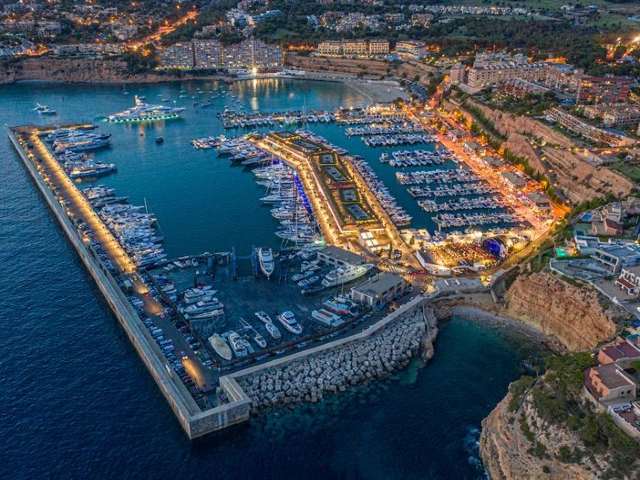
The data-centre proposal remains at an early collaborative stage. Its concept joins wave conditions, computing demand, seawater-assisted cooling, storage availability and grid constraints in one digital model. An AI control layer could then schedule workloads and energy use around a variable marine resource rather than treating generation and computing as separate systems.
Technical and commercial questions remain, including funding, corrosion, permitting, capacity factor and the economics of locating computing infrastructure at the coast. Still, the initiative illustrates a broader direction for emerging renewables: digital twins and predictive control can be developed alongside physical generation technology. Eco Wave Power says its wider project pipeline in Portugal, Taiwan and India totals 404.7 MW.
Source: Renewable Energy World