
A strengthening El Niño in late 2026 gives power companies an important seasonal planning signal, but not a deterministic forecast. The climate pattern shifts the probability of wetter, drier, hotter or stormier conditions across different regions, helping utilities identify where operational risks deserve closer attention months in advance.
Water is one of the clearest links to the electricity system. Wetter conditions can improve reservoir levels and hydropower output in parts of California, the Southern Rockies and the southern United States, but they can also increase flood-control demands. A warmer and drier Pacific Northwest, by contrast, could reduce snowpack and runoff, putting pressure on hydro generation and increasing reliance on imports or other resources.
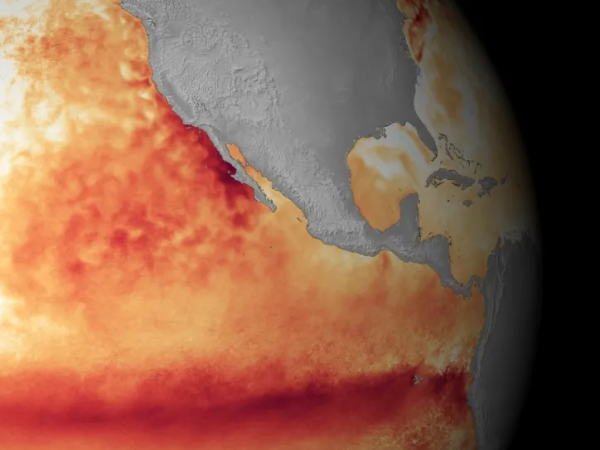
The effects vary by basin and system. Reservoir size, local hydrology, environmental releases, irrigation and municipal water obligations, transmission constraints and the wider generation mix all influence how a utility will experience the same broad climate signal. Site-level and regional analysis therefore matters more than national generalisations.
El Niño can also affect wildfire exposure and electricity demand. A wet season may encourage vegetation growth that later becomes fuel, while milder summer conditions could reduce cooling demand in some areas. Yet today’s warmer climate baseline means heat risk remains significant, and severe Atlantic hurricanes can still occur even when El Niño tends to suppress overall storm activity.
For utilities, the practical response is to use ENSO outlooks in scenario planning: review reservoir and flood procedures, test resource adequacy, adjust seasonal load assumptions, examine transmission and import availability, and retain readiness for low-probability but high-impact events. El Niño narrows the range of more likely conditions; it does not remove the need for broad resilience planning.
Source: Renewable Energy World