
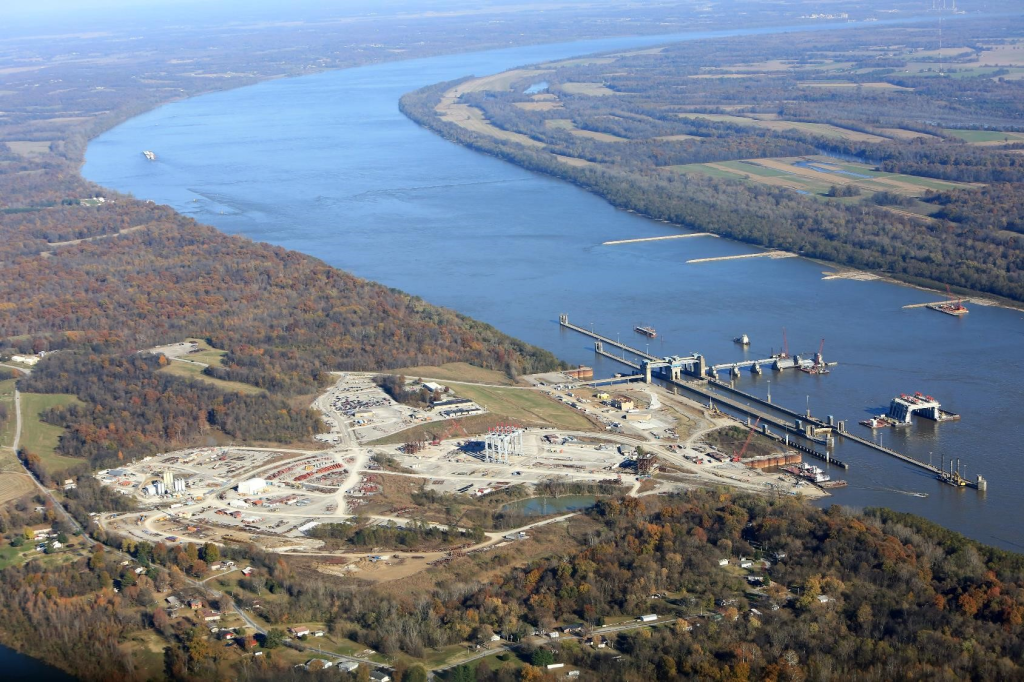
An updated assessment by Oak Ridge National Laboratory and Idaho National Laboratory estimates that existing U.S. dams without power equipment could generate about 15.2 terawatt-hours of electricity each year. Because these sites already serve purposes such as navigation, flood control and water storage, selected retrofits could add renewable generation without building entirely new dams.
Only around 3% of U.S. dams currently produce electricity. Earlier federal work identified roughly 4 GW of technical potential across more than 2,600 non-powered dams, with most of the capacity concentrated at large federally owned sites. The upper Mississippi River and Great Lakes regions stand out because they combine numerous dams with comparatively strong generation potential.
The new estimate uses INL’s open-source HydroGenerate tool together with long-term streamflow records. By accounting for hydraulic head, design flow, turbine efficiency, operating constraints and seasonal water variability, the researchers aim to give utilities and public agencies a more realistic basis for screening individual sites.
Technical potential does not automatically translate into viable projects: economics, environmental requirements, grid access and permitting still need site-specific evaluation. Even so, the improved dataset can help developers focus early studies on the strongest candidates. Future phases are expected to examine changing streamflow conditions and extend the analysis to Alaska and Hawaii.
Source: Renewable Energy World