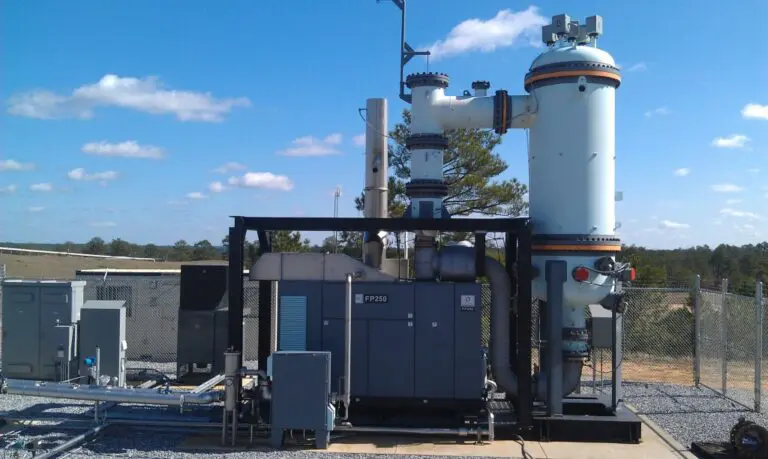

Artificial-intelligence data centres are adding electricity demand faster than many power systems can add dependable supply. An Enverus panel examined the resulting tension between large new loads, interconnection delays, generation development and reliability. Renewable and battery projects still dominate many queues, while firm capacity is harder to secure where digital demand is clustering.
The imbalance is also changing project economics. Shifts in US tax-credit policy and higher development risk are feeding into power-purchase agreements, with panel participants expecting substantial regional price increases. Developers therefore have to consider not only the cost of electricity but whether a location can deliver enough power on the required schedule.
Fuel access and construction speed are influencing siting decisions. Texas and the Marcellus region are attractive because of relatively inexpensive gas and the potential to build quickly, but grid constraints remain. New tariffs, deposits and minimum-bill rules are also requiring data-centre developers to demonstrate firmer commitments, while curtailment obligations are encouraging more behind-the-meter planning.
Timing can determine the generation mix. Reciprocating engines may be deployed years sooner than large gas turbines, so modular engines combined with solar and storage are emerging as an interim solution. On-site generation, batteries and hybrid systems can provide bridge power while transmission upgrades proceed. The central lesson is that nameplate capacity alone is not enough: congestion, deliverability and construction lead times now shape where AI infrastructure can realistically connect.
Source: Renewable Energy World