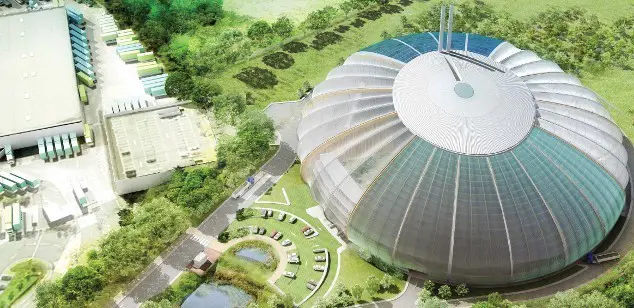

Veolia plans to add 530,000 tonnes of annual hazardous-waste treatment capacity by 2030 through new facilities and targeted acquisitions. The expansion responds to tightening capacity in several regions as industry reshoring, more complex waste streams and stricter environmental rules increase demand for specialist treatment.
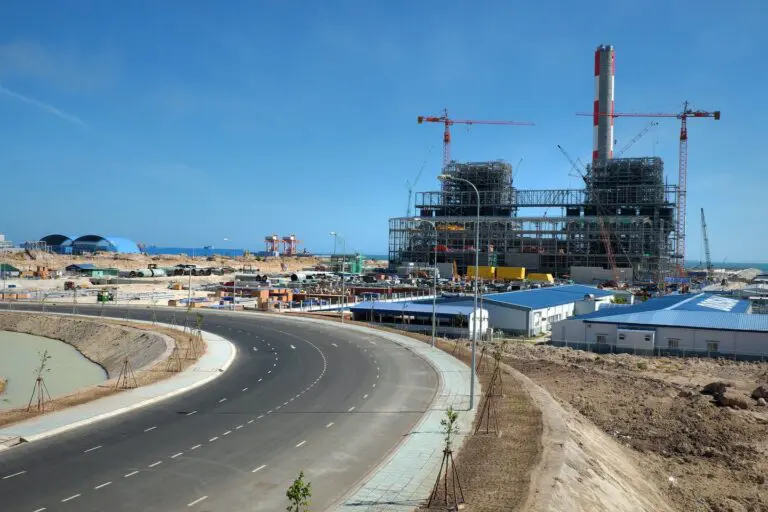
Organic development accounts for most of the programme. Veolia expects 285,000 tonnes of new capacity to enter service by 2027 and 430,000 tonnes by 2030, including five large units in the United States, Europe, the Middle East and Asia. The projects cover high-temperature incineration and solvent recovery.
Five acquisitions signed in the first half of 2025 add another 100,000 tonnes of operating capacity at a combined enterprise value of about €300 million. The assets broaden Veolia’s reach in the United States, Japan and Brazil, with capabilities spanning medical, biological, radioactive and industrial hazardous wastes as well as contaminated soil and emergency response.
The investment supports Veolia’s GreenUp objective of growing hazardous-waste activity by 50% by 2030. The group already operates more than 300 treatment assets with annual capacity of 8.7 million tonnes, and it expects emerging pollutants—including PFAS—to become a larger part of the market.