
Better waste treatment can deliver substantial cuts in methane, a greenhouse gas with a particularly strong warming effect over the first two decades after release. A European Environment Agency analysis highlights landfill diversion as an important part of Europe’s methane strategy.
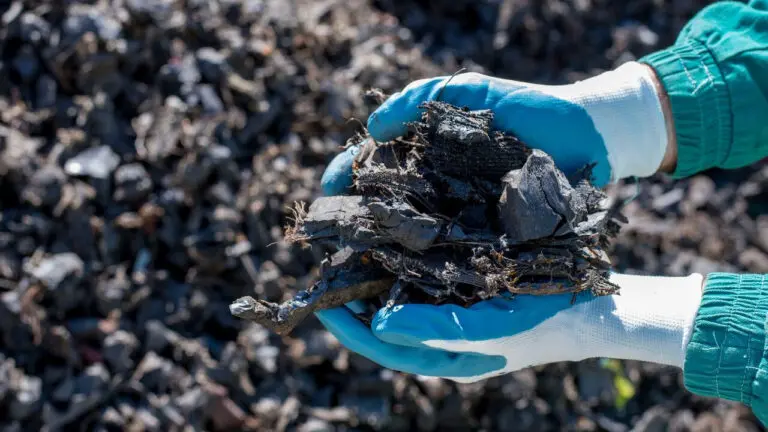
Landfills generate about 80% of methane emissions attributed to the waste sector. Organic material buried without treatment decomposes in oxygen-poor conditions, releasing methane for years. Separating organics for biological treatment and directing suitable residual waste to energy recovery can prevent much of that long-term output.
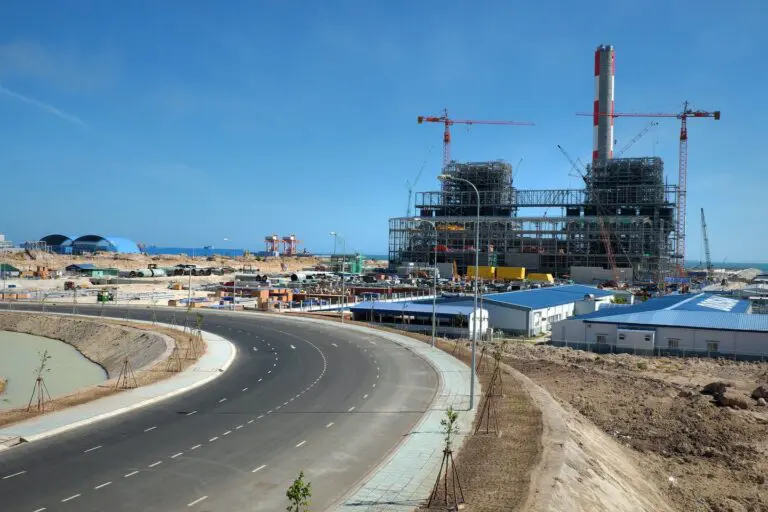
Germany illustrates the potential scale. After untreated organic waste was banned from landfill in 2005 and waste-to-energy capacity expanded, the country’s landfill methane emissions fell from 35.5 million tonnes in 1990 to 7.5 million tonnes in 2018, according to figures cited in the report.
The policy lesson is not to rely on a single technology. Recycling, separate collection and biological treatment remain essential, while energy recovery provides an outlet for non-recyclable residual waste. Coordinating these routes can reduce landfill methane while recovering materials and energy from streams that would otherwise be buried.