
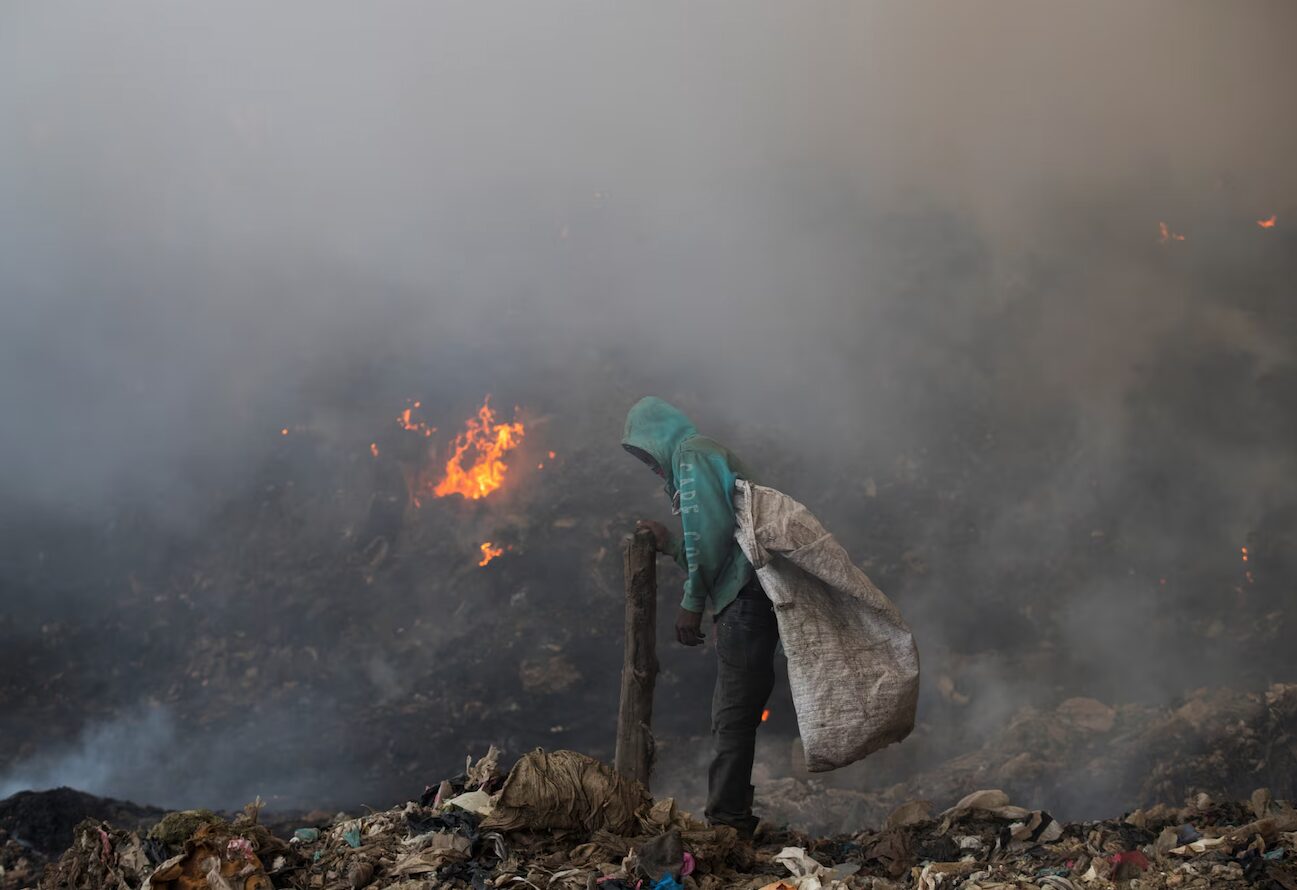
Open waste burning remains a common response to inadequate collection in many low- and middle-income communities, but it creates severe health, environmental and climate damage. Research from Samaná Province in the Dominican Republic shows how smoke from burning household waste and plastics exposes residents to fine particles and black carbon, contaminates soil and water, and threatens tourism, fishing and biodiversity.
Although men and women both burn waste, the consequences are not evenly distributed. Women and girls often spend more time managing household waste, caring for relatives made ill by pollution and working in the informal waste sector. This can increase exposure to toxic emissions, deepen unpaid care and time burdens, and worsen existing inequalities in access to income, education, clean water and food.
Delila Khaled’s study argues that technical measures alone will not end the practice. Waste strategies should collect sex-disaggregated data, include women in decisions, improve safe and reliable collection, and support recycling, composting and women-led circular-economy businesses. Infrastructure and behavior-change campaigns must reflect privacy, safety and accessibility needs within households and communities.
Digital reporting tools and GPS tracking can strengthen accountability, while cooperation among municipalities, national authorities, schools, community leaders and the informal sector can improve results. The central lesson is that residents do not burn waste simply because they ignore the risks; many lack practical alternatives. Gender-responsive, people-centered systems are therefore essential to replacing open burning with safer waste management.