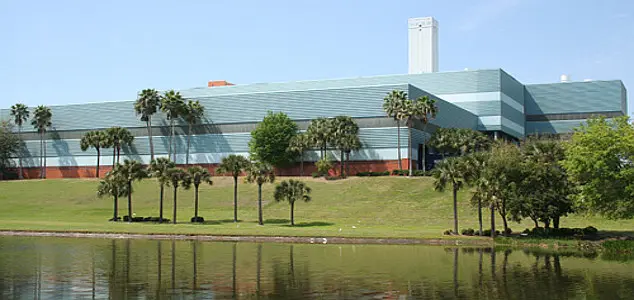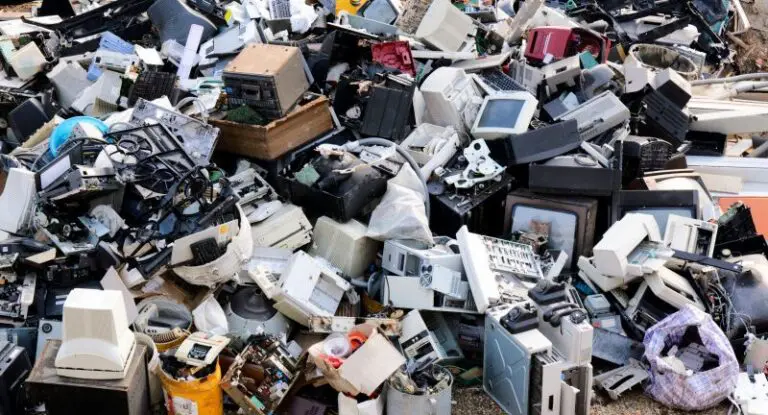

Europe’s roughly 500 waste-to-energy plants process about 100 million tonnes of residual waste each year and generate an estimated 18 million tonnes of incinerator bottom ash. More than half of that ash is still landfilled, even though it contains metals and mineral fractions that can be recovered and returned to productive use.
A typical 100,000 tonnes of bottom ash may contain 8,000–10,000 tonnes of ferrous metals and as much as 5,000 tonnes of non-ferrous metals, including aluminium, copper and zinc. After metal recovery, around 85,000 tonnes of mineral aggregate can remain. Subject to national rules and material quality, this fraction can replace virgin materials in road bases, cement and clinker production.

Recovery rates vary sharply because Europe lacks harmonised end-of-waste criteria for bottom-ash aggregates. Denmark, Germany and France reuse nearly all of the material, while other countries landfill substantial shares. The regulatory patchwork includes dozens of content and leaching parameters, making investments and cross-border comparison difficult even where treatment technology is available.
The economics are becoming harder to ignore. Recycling one tonne of metal can avoid about two tonnes of CO₂-equivalent emissions, while rising landfill fees and metal prices improve project returns. New dry-discharge and dry-treatment systems can preserve fine metals and reduce water-related losses, but smaller plants still need simpler, modular solutions. Treating bottom ash as a secondary-resource stream could therefore add revenue while reducing disposal, mining and construction-sector emissions.
Source: Waste Management World