
Modular construction is emerging as a way to deliver waste-to-energy plants faster and with tighter control over cost, quality and safety. Instead of assembling every process system on site, project teams manufacture selected parts of the plant in specialist fabrication yards and transport them as completed modules for final installation.
The components best suited to this approach include furnaces, boilers, flue-gas treatment equipment and turbines, together with their piping, cabling, steelwork and instrumentation. Building them in a controlled environment gives contractors reliable access to skilled labour and allows civil works at the destination site to proceed at the same time.
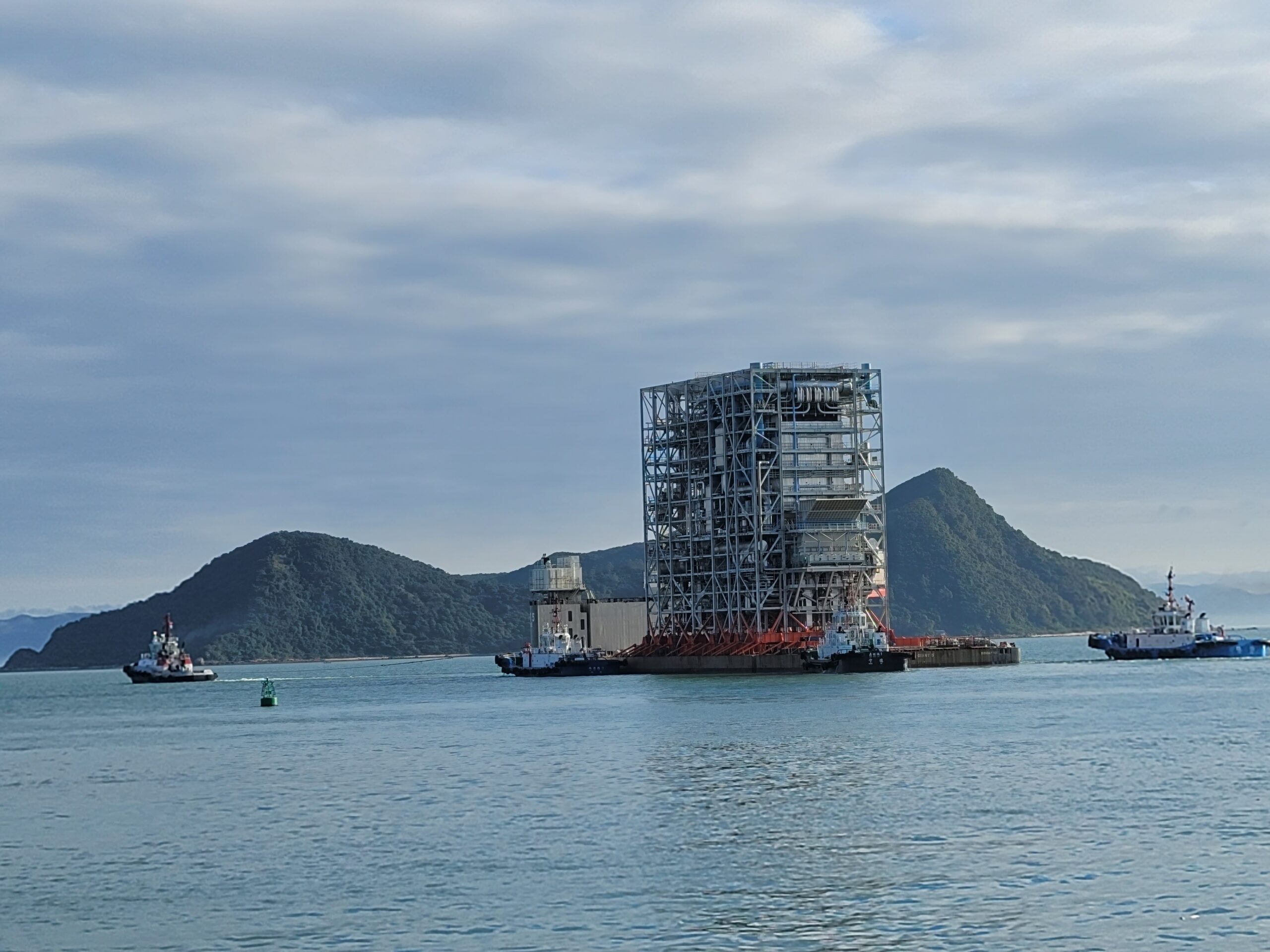
Keppel Seghers points to Hong Kong’s Integrated Waste Management Facilities Phase 1 as a major demonstration. Modules were assembled in mainland China while reclamation and civil works advanced in Hong Kong, then shipped to the site for integration. The parallel workflow reduces congestion and the number of interfaces between contractors on a constrained construction site.
Transport logistics and coordination still require careful planning, particularly where weather or long sea routes can disrupt delivery. Even so, modularisation could make waste-to-energy capacity practical in locations with limited local fabrication resources, while shortening project schedules and improving consistency before commissioning begins.